
Gut Health for Dads 40+: Probiotics, Prebiotics, and Diet Tips
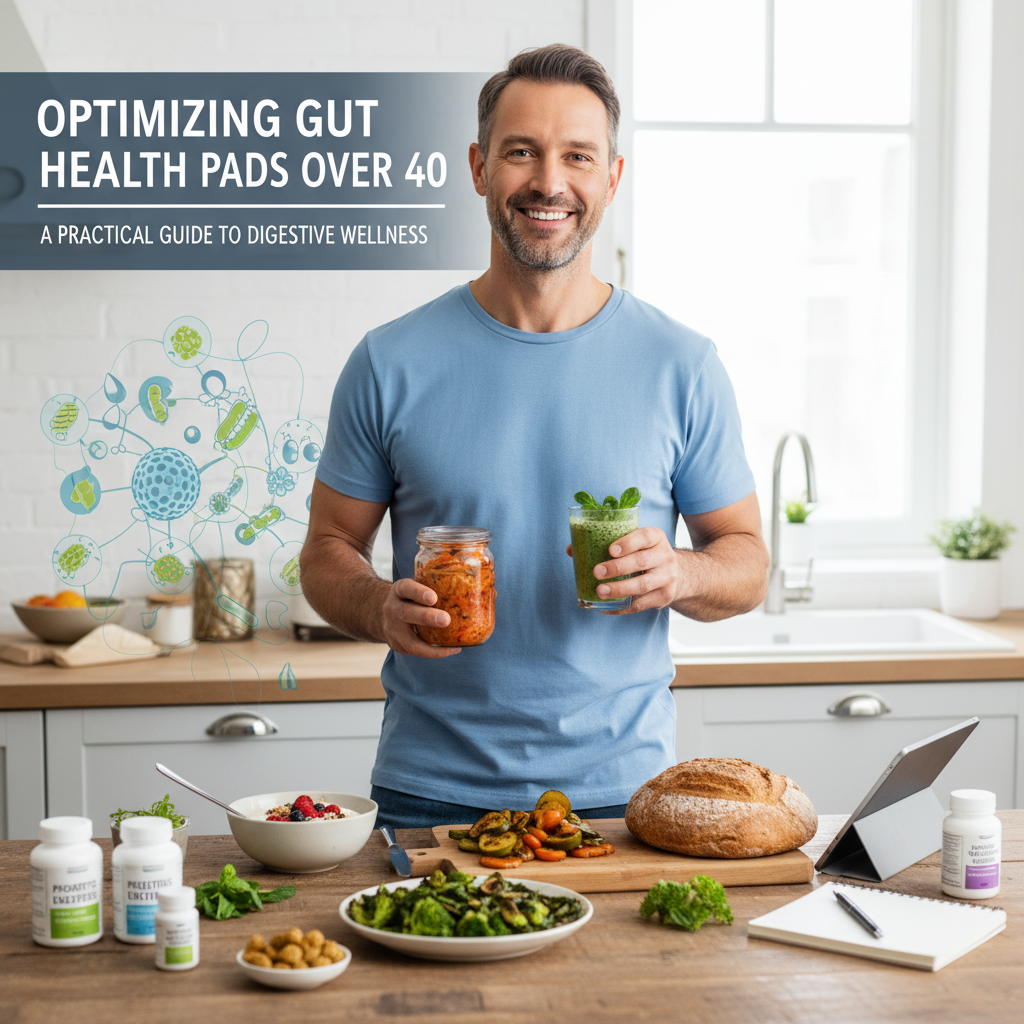
Optimizing Gut Health for Dads Over 40: A Practical Guide to Digestive Wellness
If you’re a dad over 40 juggling a job, family, and a “dad bod” that won’t cooperate, you’re probably tired of bloating, low energy, and confusing digestion advice. You’re not alone, and the good news is there’s a straightforward path to better gut health that fits your life (yes, even with soccer practice and late-night takeout). This guide lays out clear, practical steps you can use right away, and if you want help implementing them our team can take care of the heavy lifting for you.
Top 9 practical steps to improve gut health for dads 40+
1. Eat more real fiber – aim for 30 grams a day
Fiber feeds the microbiome, plain and simple. Many men over 40 eat 15 grams or less, which sets the stage for sluggish digestion, irregularity, and unwanted weight gain. Add a cup of cooked lentils at lunch, a medium apple as an afternoon snack, and 2 cups of mixed vegetables with dinner to hit about 30 grams.
Foods that boost fiber and prebiotics:
- Chickpeas and lentils
- Oats and barley
- Garlic, onions, leeks (prebiotic-rich)
- Apples, pears, berries
- Brussels sprouts, broccoli, carrots
Start slow if you’re not used to fiber (gas can spike the first week). Drink water, and ramp up over 2 weeks so your gut adapts.
2. Add fermented foods and a targeted probiotic
Fermented foods introduce live bacteria and variety to your gut ecosystem. I tell clients: one small habit change is to trade one pack of chips for a 4-ounce serving of plain yogurt or kefir each day. Kimchi and sauerkraut work too (look for raw, refrigerated versions).
If you want a supplement, choose a probiotic with a clear strain and dose, like Lactobacillus rhamnosus GG, Bifidobacterium lactis BB-12, or Saccharomyces boulardii, with at least 10 billion CFU per serving. Take it consistently for 8 weeks, then reassess. Why 8 weeks? Gut shifts take time, and you’ll need a consistent push to see measurable change.
3. Prioritize protein and muscle-preserving habits
Dad bod isn’t destiny. After 40 you lose muscle mass if you don’t fight it. Muscle supports metabolic health and helps regulate digestion indirectly (more movement, better insulin sensitivity). Aim for 30 grams of protein at breakfast, lunch, and dinner (yes, 30 grams exactly is doable – eggs with cottage cheese, chicken with quinoa, Greek yogurt and nuts).
Combine protein with resistance training 3 times per week. Strength training isn’t just about aesthetics – it’s about hormone balance and keeping the gut environment favorable for good bacteria.
4. Sleep like a priority, not a luxury
Poor sleep disrupts the microbiome and raises cravings for fast carbs. Try for 7 hours of sleep each night. If you’re short now, add 20 extra minutes per night this week (small steps matter). Avoid heavy meals 90 minutes before bed and dim screens an hour prior. Better sleep equals better digestion and less late-night snacking, simple as that.
5. Move more, sit less – even 20 minutes helps
Sedentary time wrecks gut motility. Walk after meals, stand during phone calls, park farther away. Aim for 20 minutes of brisk walking after dinner. Really – it helps digestion and lowers blood sugar spikes, which change the gut environment for the better.
6. Cut back on booze and late-night carbs
Alcohol and late-night pizza are like kryptonite for the microbiome. Try a simple swap: two alcohol-free nights per week and avoid carb-heavy snacks after 9:00 PM. If you’re used to two beers nightly, drop to one, then to one only on weekends. Small reductions add up.
7. Watch medications and antibiotic use
Antibiotics can wipe out beneficial bacteria. If you need antibiotics, ask your clinician about probiotic support during and after the course (for example, Saccharomyces boulardii alongside antibiotics). Also review long-term NSAID or PPI use with your doctor – chronic use can affect gut lining and microbiome balance.
8. Reduce stress with quick, practical tools
Stress changes digestion fast – gas, bloating, and irregular stools show up within hours for some men. You don’t need an expensive retreat. Try 5 minutes of box breathing after your morning shower, or a 10-minute walk at lunch where you leave your phone in the car. I’ve noticed clients who commit to 10 minutes of stress-mitigation per day report clearer skin and fewer bloating episodes within 3 weeks.
9. Customize your diet, track, and refine
Not every gut reacts the same way. Keep a simple food and symptom log for 14 days: what you ate, when you ate it, and any symptoms. You’ll spot patterns (dairy, beans, or certain sweeteners). Use that data to trial a targeted change for 10 days. Not forever, just test and learn. That’s how you build a sustainable routine that actually fits family life.
Quick weekly plan you can follow this week
Start simple. Here’s a practical mini-plan for the next 7 days that sticks to the steps above.

- Day 1: Add 1 cup cooked lentils to lunch, and 4 ounces kefir with breakfast.
- Day 2: Schedule 20-minute post-dinner walk, and swap soda for sparkling water.
- Day 3: Strength session 30 minutes, focus on squats and rows.
- Day 4: Try a probiotic supplement with 10 billion CFU after breakfast.
- Day 5: Sleep target: lights out by 11:00 PM (get 7 hours).
- Day 6: Alcohol-free day, add a garlic-rich salad for dinner (prebiotic boost).
- Day 7: Review symptoms and food log, plan the next week.
Practical food swaps that make a difference
Small changes, big outcomes. Try these swaps this week:
- White bread – swap to 100% whole-grain or sprouted grain
- Sweetened yogurt – swap to plain Greek yogurt plus berries
- Chips – swap to roasted chickpeas or an apple with peanut butter
- Late-night pizza – swap to a veggie omelet or salmon salad
When to see a pro
If you have persistent symptoms like frequent severe abdominal pain, blood in stool, unexplained weight loss, or symptoms that interfere with work or sleep, see a clinician. Also get checked if you have chronic conditions like diabetes or use immunosuppressive meds. For digestion issues that are annoying but not urgent, a registered dietitian or gastroenterologist can run helpful tests and build a plan tailored to you.
If this feels overwhelming, our team can handle the details – we do meal plans, supplement checks, and 1-on-1 coaching so you don’t have to guess.
Frequently Asked Questions
What’s the best probiotic for men over 40?
Look for a product that lists specific strains and a dose of at least 10 billion CFU. Strains with solid research include Lactobacillus rhamnosus GG, Bifidobacterium lactis BB-12, and Saccharomyces boulardii. Pick one you can take daily for 8 weeks, then reassess symptoms. If you’re on antibiotics, start Saccharomyces boulardii during the antibiotic course and continue for 2 weeks after.
How long until I notice improvements in digestion?
Some people feel less bloated within 7 days of simple changes (more fiber, fermented foods, water). For measurable shifts in stool regularity and energy, expect about 4 to 8 weeks of consistent habits. It’s not instant, but it’s faster than you might think if you stick with the basics.
Can diet alone fix a “dad bod” gut problem?
Diet is a major piece, but not the only one. Combine protein-focused meals, fiber, movement, and sleep improvements and you’ll see the biggest wins. Think of diet as the foundation – exercise and sleep add the supporting beams.
Are prebiotics and probiotics the same?
No. Prebiotics are fibers that feed good bacteria (like garlic, onions, oats). Probiotics are live microbes you consume (yogurt, kefir, supplements). Use both together for best results: feed the bacteria while you add beneficial strains.
How should I track progress?
Keep a 14-day food and symptom log, note sleep and activity, and take a before-and-after photo if weight is a goal. Reassess after 8 weeks and adjust. If things aren’t improving, get a clinician involved for testing and prescription-level options.

About the Author
FitDadChris
Jack of all trades... master of none! Father of 3 awesome boys and 1 daughter!