
Optimizing Recovery for Dads Over 40: A Science-Backed Guide to Bouncing Back Faster
This is for dads over 40 who train, coach little league, or just want to feel less creaky—you're juggling work, kids, and a shrinking recovery window and you're tired of feeling wiped out after a weekend of shoveling or a tough gym session. You're worried about injuries, slower muscle gains, and nights of poor sleep (yes, the late-night soccer pickup counts). Our approach blends clear, science-backed recovery tips with practical over-40 fitness strategies so you can bounce back faster without guessing—and without giving up the stuff you love.
How does aging change recovery for men over 40?
Short answer: recovery slows because hormones shift, protein synthesis drops, and connective tissue gets stiffer. Testosterone and growth hormone decline (gradually), which reduces muscle repair speed. Collagen turnover slows too—so tendons and ligaments take longer to adapt after load. Add in busier schedules and fragmented sleep, and you're primed for overuse injuries.
And here's the thing: you can counteract much of that loss. I've seen 52-year-old dads regain strength and cut soreness in half simply by adjusting sleep, nutrition, and training volume—none of it rocket science, just targeted.
What are the highest-impact recovery tips for dads over 40?
Focus on the big levers first. Small changes, big results. Below are actionable steps you can start using this week.

Sleep: how much and when?
Aim for 8 hours of consolidated sleep nightly. Yes, 8. Not 7-9. Eight. It's a target that improves hormonal recovery, mood, and cognitive function (so you're less likely to snap at bedtime negotiations with the kids).
Practical wins: set a wind-down routine 60 minutes before bed (no screens, light stretch), make the room cool (about 65°F), and get morning sunlight within 30 minutes of waking to stabilize circadian rhythm. If naps are your savior—keep them brief: 20 minutes, early afternoon.
Nutrition: what to eat for muscle recovery?
Protein is the backbone of muscle recovery. Shoot for 1.6 grams of protein per kilogram of bodyweight each day (so a 90 kg man would aim for 144 grams). Spread protein across 3–4 meals to maximize muscle protein synthesis—hit at least 30 grams at breakfast and 40 grams at dinner.
Carbs matter too—they refill glycogen and blunt cortisol. Include a portion of starchy carbs post-workout (rice, potatoes, or a banana). And don't sleep on fats; aim for sources of omega-3s (salmon, walnuts) to help reduce exercise-related inflammation.
Supplements that help (evidence-based)
Consider creatine monohydrate: 5 grams daily supports strength and cognition (we've used it with middle-aged athletes). Vitamin D at 2,000 IU daily if you live north of 37° latitude or test low. Omega-3s at 1,000–2,000 mg EPA+DHA daily can help with joint comfort and recovery. And collagen (20 grams with 50 mg vitamin C) can support tendon health when paired with loading work.
Active recovery: what it is and how to use it
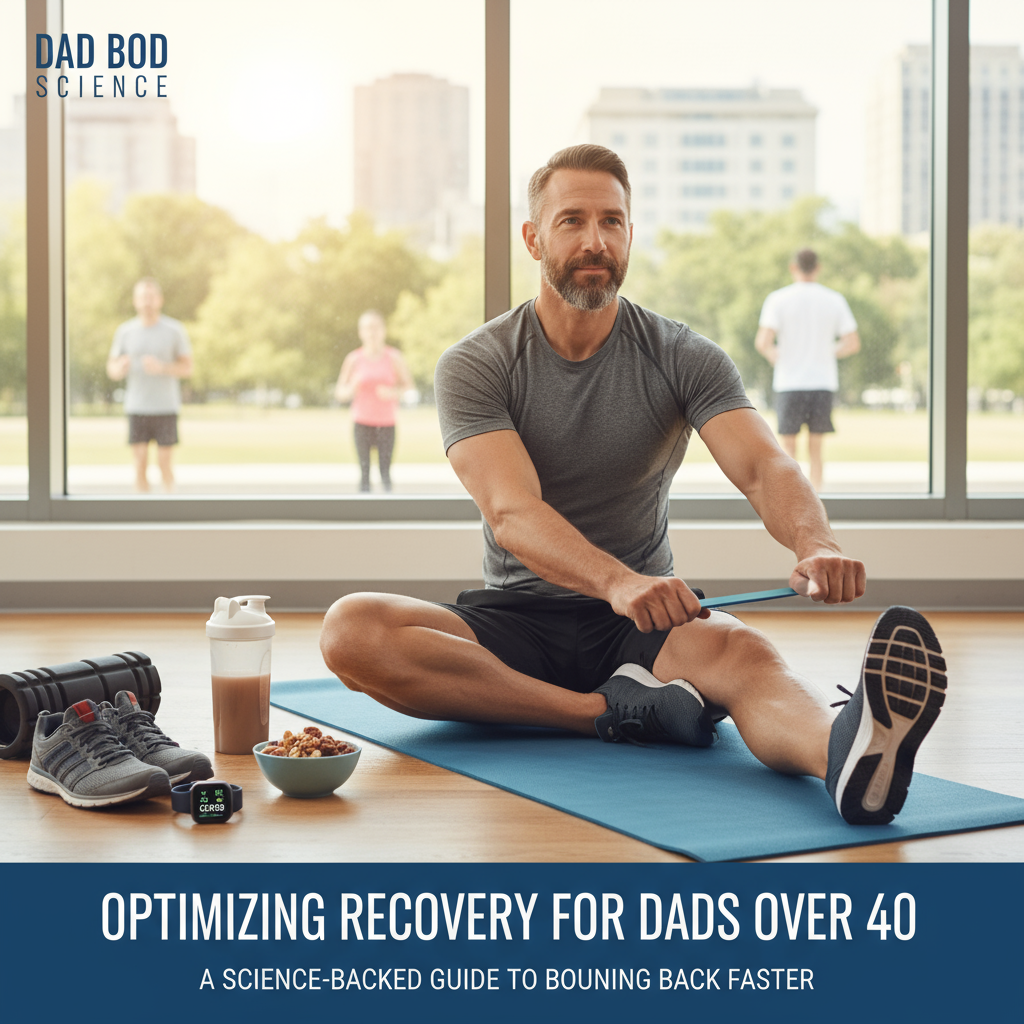
Active recovery isn't just “doing less.” It's targeted low-intensity movement that increases blood flow without stressing tissues—so you recover faster. Examples I recommend: a 30-minute brisk walk, a 20-minute easy bike ride, or a mobility flow focusing on hips and thoracic spine.
Frequency: do active recovery 2 times per week after heavy sessions. Keep intensity below 60% of max heart rate—conversational pace. Foam-roll sore areas for 5 minutes afterwards (sciatic, quads, calves).
How should you structure training around recovery?
Train smart, not less. Use these principles:
– Prioritize compound lifts (squats, deadlifts, presses) for strength and hormonal response—2 full-body strength sessions per week is often enough. But keep volume moderate: aim for 6–12 total hard sets per major muscle group weekly.
– Progress slowly: increase load or volume by about 5% per week rather than blasting through big jumps. This reduces overuse injuries (and keeps you consistent).
– Build a deload week every 4th week: keep sessions short, lower intensity, and focus on mobility and technique.
What are the best injury prevention strategies?
Preventing injury is the real time-saver. A few concrete moves:
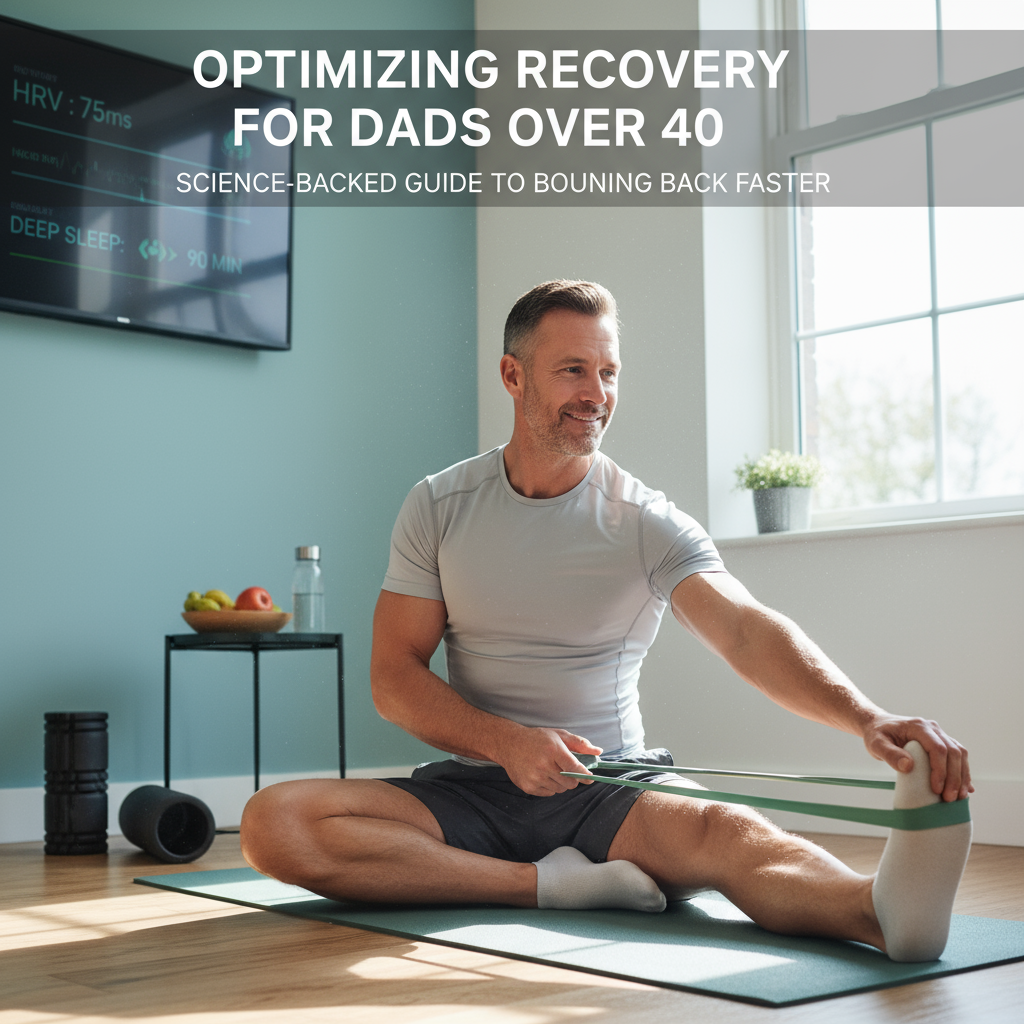
– Warm up 10 minutes before hard work: dynamic mobility, band activation for shoulders/hips, and two ramp-up sets at 50% and 70% of working weight.
– Strengthen rotator cuff and posterior chain with 2 focused accessory exercises per workout (face pulls, Romanian deadlifts). Keep reps controlled—no ego lifts.
– Improve movement quality: if your squat depth or hinge is off, regress the pattern (box squats, kettlebell deadlifts) and rebuild. Technique beats heavier loads every time.
When should you see a pro?
If pain lasts longer than 2 weeks despite rest, or you have sharp joint pain, numbness, or sudden loss of strength—schedule an evaluation. Also see a physical therapist if you repeatedly flare despite consistent training; there's usually a mobility or pattern issue that simple rest won't fix.
Quick 20-minute recovery routine for busy dads
Do this after a tough session or on a tight day: 5 minutes mobility (cat-cow, thoracic rotations), 10 minutes low-intensity cardio (walk or bike), 3 minutes targeted foam rolling (quads, lats), 2 minutes diaphragmatic breathing to reset the nervous system. Done. Repeat twice weekly and you'll notice less morning stiffness within 2 weeks.
How do these tactics fit into broader men's health?
Recovery isn't just about lifting more. It's about preserving long-term function, reducing injury risk, and improving mental health. Better sleep improves mood and work performance. Better nutrition stabilizes energy and libido. Active recovery keeps you moving with your kids into your 60s and beyond—so it's investment, not indulgence.
Look—this is practical stuff. You don't need to overhaul your whole life. Start with one change: sleep eight hours, add 30 grams of protein at breakfast, or do a 20-minute active recovery walk twice this week. Stick with it for 4 weeks and reassess.
If this still feels overwhelming, our team can handle the planning and coaching for you (we work with busy dads all the time). We’ll translate these science-backed recovery tips into a weekly plan that fits your schedule and keeps you performing—at work, at home, and on the field.

About the Author
FitDadChris
Jack of all trades... master of none! Father of 3 awesome boys and 1 daughter!